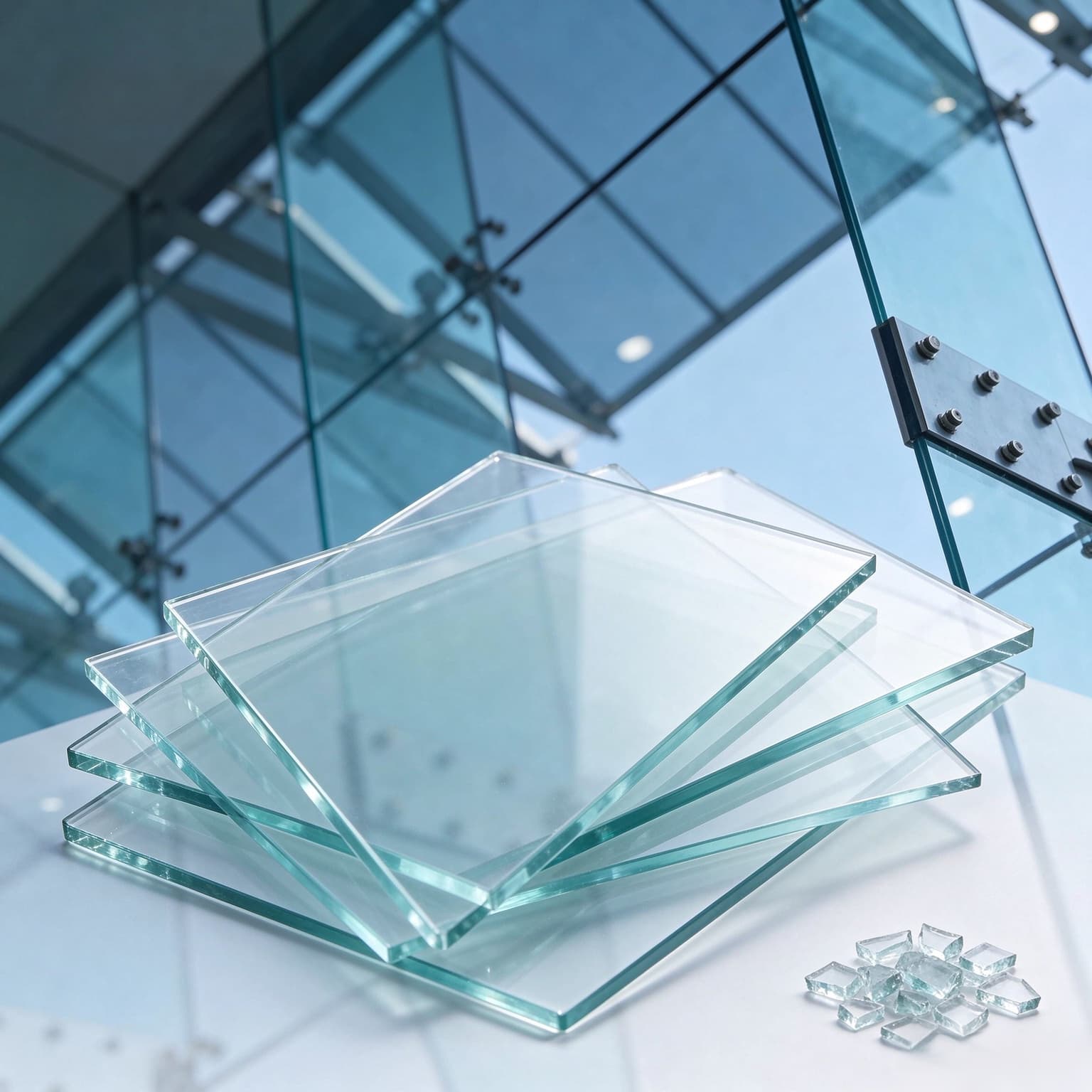
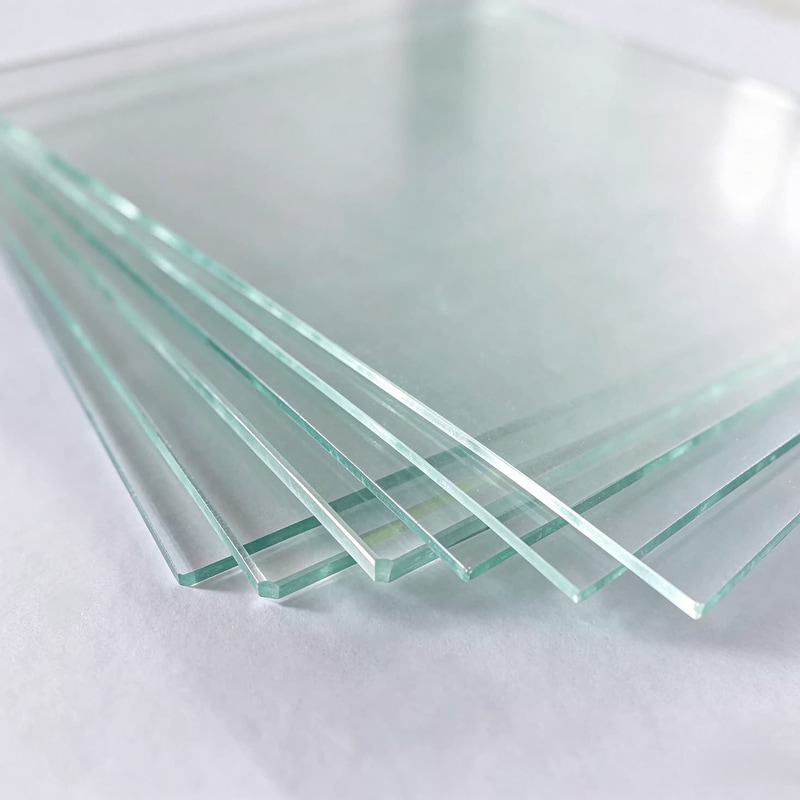
On October 28, Xinfuxing Glass's Anhui facility underwent a national industrial energy conservation inspection conducted under the unified deployment of China's National Energy Conservation Inspection Center, with officials from provincial and municipal industry, information technology, and development and reform authorities taking part.
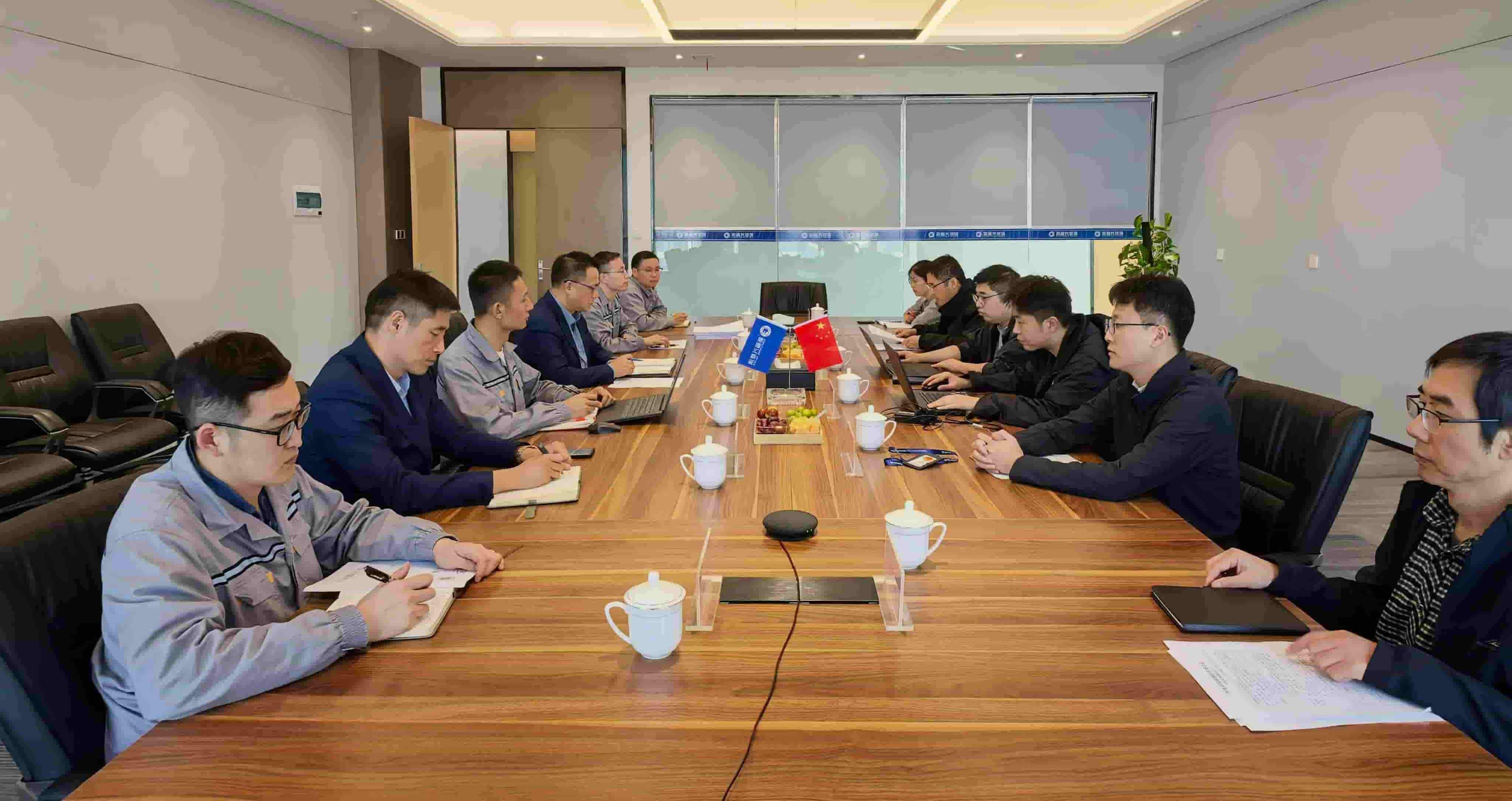
The inspection examined the plant's energy management system, energy utilization across production lines, and the documentation and reporting prepared in accordance with national industrial energy efficiency standards. It is part of China's broader regulatory framework supporting the "dual carbon" goals — peaking carbon emissions and achieving carbon neutrality — which requires energy-intensive industries to measurably reduce energy consumption and accelerate the transition to low-carbon production.
For glass manufacturing, one of the most energy-intensive segments of the building materials industry, energy efficiency is not only a regulatory requirement but a core measure of operational excellence. At Xinfuxing, energy performance is managed as part of daily production discipline: furnace operations, kiln heat recovery, and equipment efficiency are continuously monitored and optimized across our facilities.
The company regards the national inspection as a valuable third-party benchmark of its energy management rather than a formality. Wherever the review identifies room for improvement, corrective actions will be implemented immediately, and findings will feed into ongoing upgrade programs for equipment, processes, and energy recovery.
"Inspect, improve, and improve again" — the company treats external review as a driver of continuous improvement. As downstream customers — from architectural glass buyers to photovoltaic module manufacturers — increasingly factor supplier carbon performance into procurement decisions, verified energy efficiency has become part of what Xinfuxing delivers, not just how it operates.
Xinfuxing will continue to invest in energy-saving technologies and low-carbon manufacturing practices, contributing to a more sustainable building materials supply chain.
WhatsApp : +8615059190820
WhatsApp : +8618850736588
Email : elva@xfxglass.com
Email : business@xfxglass.com
Tel : +8615059190820
Tel : +8618850736588